Album Review – Shovels & Rope’s “Swimmin’ Time”

090114mBeatsReview2_GL

The music world has known its fair share of unforgettable husband-wife duos, from Johnny and June to Jack and Meg. Two years ago, the Charleston-based married duo Shovels & Rope — consisting of Michael Trent and Cary Ann Hearst — exploded onto the festival scene with an unharnessed charisma and on-stage animalistic magnetism that left audiences floored. With non-stop touring and sweat-drenched performances, Trent and Hearst continue to prove that they belong among the ranks of great married musical duos.

Last month, Shovels & Rope offered up more of their soulful, folk-country flair with the duo’s new album, “Swimmin’ Time,” a nautical narrative of love and loss, drenched in haunting harmonies and stripped-down, simple arrangements. On “Swimmin’ Time,” Trent and Hearst dive deep into the abyss of emotion to give listeners a glimpse into their passionate, personal voyage.

The album opens with “The Devil Is All Around,” a vivid gospel-rock love song. With eyes closed, lyrics come to life and the listener can envision Trent and Hearst fighting through life’s obstacles together — ‘til death does part them. “Bridge On Fire” feels like a 50s throwback with a drum-rich tempo and deliberate harmonious crescendos, leaving a trail of burnt hopes and dreams in its ashy wake.

“Evil” turns up the rock ‘n’ roll and perpetuates the album’s devilish theme, with confessions of violent and ugly sins that drip with an honesty strong enough to tear down facades. “After The Storm” starts to pick up the wreckage from the first three tracks and highlights the power of Shovels & Rope’s magically interwoven vocals. Though the bulk of the track stays low and slow, it truly shines in the chorus’ momentous waves and surges of beautiful, yet guttural cries.

“Fish Assassin” is a playful but quick stomp-clapper that brings listeners to the muddy banks of intercostal waterways. “Coping Mechanism” gives listeners a current spin on a 50s rock ‘n’ roll standard, with bouncy background keys and delta blues overtones. “Pinned” leans on Shovels & Rope’s country-folk foundations and translates as a timeless duet about broken promises, cheating and unsolicited advice.

The title track, “Swimmin’ Time” buoys to the surface with church choir intensity and ghostly sink-or-swim premonitions, conjuring up buried thoughts of an apocalyptic flood. In line with the aquatic theme, “Stono River Blues” pays tribute to the waterway that flows near the duo’s home, and evokes images of Trent and Hearst exploring the tidal channel’s nooks and crannies. While the track can certainly be taken literally, metaphors are strategically anchored throughout, giving it a depth that is commonly found in Shovels & Rope songwriting.

“Ohio” takes listeners on a trip down to the murky waters of Louisiana with blazing horns and a gritty outlaw story. The brassy sway of “Ohio” adds another layer of sound to the album, giving it an even more interesting acoustic texture. “Mary Ann & One Eyed Dan” is a playful, diner love story filled with faith and potential. “Save The World” follows suit with a positivity and sweetness that permeates the energy and love often seen on stage between Trent and Hearst.

The album comes to a close with “Thresher,” a homage to the USS Thresher (SSN-593), a nuclear-powered attack submarine that was lost at sea off the coast of Cape Cod in 1963. The track chronicles the last minutes for the 129 submariners upon the vessel. With moments of faint, garbled communications and fading sonar pings to carry out the track, Shovels & Rope recreates the sinking with an eerie authenticity. Ending the album with “Thresher” leaves listeners mournful and uneasy, but also forces introspective and empathetic thought. It represents the duo’s intention and intensity like no other song on the album.

“Swimmin’ Time” may just be one of this year’s best albums. In an age when listeners can pick and choose tracks from any album, track order and album themes seem to get lost in the iTunes shuffle. However, “Swimmin’ Time” is an album that needs to be listened to from start to finish, in order. Trent and Hearst have created an emblematic masterpiece that is greater than the sum of its parts. Collectively, the album floats above the rest while maintaining a depth of soul and spirit that can shine through the thickest, foggy night. “Swimmin’ Time” sails effortlessly across the most critical of ears and marks another success in Shovels & Rope’s musical passage.

Leave a comment

Filed under Music, Review

Mipso in Japan – A Documentary

The Chapel Hill-based bluegrass band Mipso spent some quality time last Summer touring through Japan, getting immersed in the Japanese culture and growing bluegrass movement. University of North Carolina alum and award-winning film maker Jon Kasbe traveled to Japan with the trio to capture their experience and share it with the world. The result below is a strikingly beautiful documentary that highlights the unharnessed power of the universal language of music. 

“On a journey that blurs the cultural divide between East and West, three young musicians travel across the world to discover that the twang of the banjo needs no translation. While performing at a bluegrass festival, jamming with fiddle virtuosos, and touring by bullet train, the band finds that the traditions rooted in their home state have far-reaching branches.”

Leave a comment

Filed under Fans, Live Shows

Album Review – Old Crow Medicine Show’s “Remedy”

080114mBeatsReview_GL.jpg
It appears that Old Crow Medicine Show has finally become a household name, though the final push to get there may not fully reflect the band’s talent and years of hard work. After 16 years of sidewalk busking, cross-country touring, superb songwriting and recording, it was pop-country star Darius Rucker’s cover of the band’s “Wagon Wheel” that brought O.C.M.S. into the mainstream fold.

Timed perfectly to ride the wave of Rucker’s “Wagon Wheel” success, the Nashville-based band just released its eighth studio album, “Remedy,” which carries a collective sound that screams O.C.M.S., while adding a couple of nuances that slightly shift the band’s course.

First, with the departure of former member Willie Watson — who left the group to pursue a solo career — comes a vocal void that is glaringly obvious to any listener who has been following the band’s trajectory. Watson’s trademark timbre always added an Appalachian authenticity to songs that frontman Ketch Secor is not quite able to reproduce, though he comes very close.

Second, on “Remedy” Secor and crew include tracks that make an obvious nod to modern country music. This direction will certainly appeal to the mainstream country music fan, and potentially secure their current spot in the limelight. However, long-time fans may find it unsettling.

Fortunately, these country tracks are scant and the meat of the album stays true to the traits that have made O.C.M.S.. great for so many years — old-timey salt-of-the-earth storytelling peppered with parody, punk-rock energy, and good old-fashioned traditional folk instrumentation.

Listener response aside, “Remedy” may be just what the doctor ordered. The album is fun and carefree with top-notch songwriting and strategic introspective moments. O.C.M.S. has always possessed the gift of storytelling through their songwriting, making it difficult to distinguish personal experience from that of a stranger, deceased soldier, leathery farmer or backwoods moonshiner. This storytelling gift has created a genuineness that has earned the band a loyal following over the years.

There are several glimpses of this level of storytelling on “Remedy,” though with less historical reference than on previous albums like “Carry Me Back.” Rather, “Remedy” feels very present, as the boys hail Music City, lament loss, explore the ups and downs of prison life, and tackle pessimistic attitudes. The album’s upbeat tracks can do no wrong, while selective ballads feel overworked with pedestrian themes.

The album opener, “Brushy Mountain Conjugal Trailer,” gets things rolling with a hot prison teaser, steaming with enough vivid imagery to keep prisoner acting on their best behavior. “8 Dogs 8 Banjos” follows and explodes with a feverish fiddle and rolling banjo arrangement along with fun call-and-response lyrics, making it near impossible to sit still. This track will translate perfectly on stage, and is sure to become a fan favorite.

“Sweet Amarillo” marks the second time O.C.M.S. has taken an unfinished song by legendary musician Bob Dylan and made it their own. Here, dusty winds blow a bit farther West from Nashville, Tenn. giving the sweet cowboy ballad more of a Texan texture—of which Dylan reportedly approved. “Mean Enough World” is like a steam engine cranking through the station with a perfect combination of whiny harmonica, speedy banjo picking, and finger wagging lyrics begging for a light at the end of the tunnel.

Though the sentiment is powerful on the next two tracks, they struggle to keep up with the album’s musical caliber and therefore feel a bit out of place. “Dearly Departed Friend” fills the album’s fallen soldier quota, but falls flat and translates like a country Jimmy Buffett tune. While “Firewater” is a poignant chronicle of band member Critter Fuqua’s struggle with alcoholism, it fails to live up to its musical potential. Hopefully, both of these tracks will evolve and improve as they are road tested.

“Brave Boys” picks spirits back up in true O.C.M.S. fashion with a raucous cadence, fiddle solos and enough band hollering to reach coal miners in West Virginia. “Doc’s Day” is the perfect old-timey, playful tribute to Doc and Merle Watson, fit for front porch jam and sweet tea sipping.

More tributes follow as O.C.M.S. bows down to the bounties of their current hometown, Nashville, Tenn. “O Cumberland River” praises the southern waterway’s beauty, utility, and power as lyrics recall the devastating 2010 river flood that wreaked havoc on Music City. “Tennessee Bound” jumps right in line with a typical O.C.M.S. rambling homecoming tune, sung with pure pride and joy.

“Shit Creek” proves that O.C.M.S. still possesses the lyrical talent and musical prowess to keep fans satiated. This track turns up the fiddle speed dial just passed “The Devil Went Down to Georgia” mark and is chock full of enough river/relationship metaphors to keep listeners busy for a while. It ranks as one of the album’s best.

O.C.M.S. continues the tradition of keeping a light-hearted outlook on life with “Sweet Home,” a spirited sing-a-long about heading to the pearly gates. The album closes with “The Warden,” a stripped-down, harmony-rich ballad sung from the point of view of an observant criminal. This track is an outstanding example of an unhurried O.C.M.S. song that maintains the band’s rich storytelling abilities and traditional sound.

Overall, “Remedy” delivers what O.C.M.S. fans desire — mountain music with a good mix of fundamentals, fun and fire to keep things moving forward. The few weak spots on the album are overshadowed by the boot-stomping, hand clapping pace, strong songwriting, and consistent mingling of harmonica, fiddle and banjo across tracks. This album will certainly continue to grow the band’s fan base in different directions and motivate new fans to catch a live O.C.M.S. performance, which is where these boys really shine, much like a big ol’ full moon over that muddy Cumberland River.

Leave a comment

Filed under Music, Review

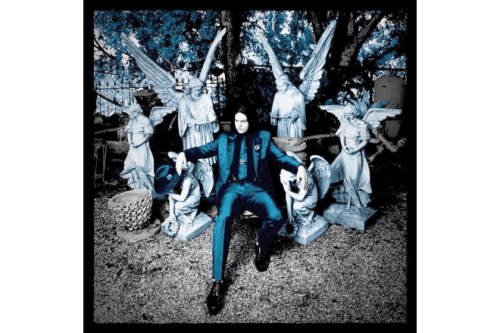
Album Review – Jack White’s “Lazaretto”

070114mLazarettonew2.jpg

Through a cloud of lingering personal drama and potentially damning press, eccentric-rocker Jack White emerges triumphantly with his second solo album, “Lazaretto.” White, who is well-known for blurring musical boundaries in unpredictable ways, presents an appealing juxtaposition between Detroit blues and rock and Nashville honky-tonk country on “Lazaretto.”

To follow up the success of his first solo album, “Blunderbuss,” White decided to take a new approach to songwriting, making the two albums quite distinct from one another. “Lazaretto” pulls inspiration from a collection of plays White wrote when he was 19 years old and recently rediscovered. Over the course of a year and a half, characters and storylines from White’s 19 year old imagination found homes in each of the album’s 11 tracks.

The album opener, “Three Women” is a funky blues tune in which White fills emotional voids with a woman in every port. The title track follows, providing an electric mash-up of rock and rap reminiscent of Rage Against the Machine as White shows off his guitar prowess and jagged verses. “Lazaretto” also gives listeners the first hint of Nashville influence as the song closes with a wailing fiddle, before leading into “Temporary Ground.”

“Temporary Ground,” along with “Entitlement,” capitalize on traditional country instrumentation and harmonies, but do not commit completely to the genre. On both tracks, White stays true to his distinct vocals, but surrounds them with twang harmonies, pedal steel and fiddle, submitting his own take on country music. A river of sarcasm runs through “Entitlement,” and while it may have been influenced by White’s observations in the mid-90s, lyrics like, “Though the world may be spoiled and getting worse every day, don’t they feel like they cheated somehow,” seem to ring even truer today.

“Would You Fight For My Love?” features intense percussion and eerie howls, but what stands out most is White’s passionate yet panicked vocal performance, implying that perhaps his more recent turbulent relationships weaseled their way into the song. The album’s only instrumental, “High Ball Stepper,” takes listeners on a dark ominous walk through the woods, as a banshee-esque violin hollers underneath White’s lightning rod electric guitar solos.

“Just One Drink” is a fun juke-joint cocktail of blues and country that channels a little Buddy Holly, while “Alone in my Home” ramps up the pop factor with flirty keys and day-dreamy female harmonies, despite the song’s dejected theme of solitude.

“That Black Bat Licorice,” which competes with “Lazaretto” as the album’s top rock and roll track, brings in yet another genre with reggae-like backbeats. With ironic lyrics like, “I want to cut out my tongue and let you hold on to it for me, ‘cause without my skills to amplify my sounds it might get boring,” perhaps White is foreshadowing the need to keep his strong opinions about others to himself, or perhaps not.

“I Think I Found The Culprit” has a dramatic outlaw feel with rock-country flair that peaks and dips throughout the track. The final track, “Want and Able” is like having an angel and devil perched on each shoulder and trying to make a decision. Here, as on many “Blunderbuss” and “Lazaretto” tracks, the keys play a central role in the collective sound of the song. Whether through the buzz of an organ or the tickling of ivories, White’s appreciation for the piano continues to be evident with “Lazaretto.”

Overall, “Lazaretto” translates like a collection of short-stories written by different authors, reaffirming that White’s experimental nature is alive and well in Music City. The album offers listeners a genre clash that could initially feel distracting, but instead keeps ears perked for nuance and surprises around each bend of the chords. The instrumentation, while crazy and impulsive at times, stands tall against the lyrics, proving once again that White is not in it for the songwriting glory, but rather the overall auditory texture of the song.

As White’s personal life and professional opinions continue to stand blazing hot in the media’s spotlight, it is obvious that strong ties will be made to the themes in “Lazaretto.” However, the truth is that while many of the tracks could be interpreted as intimately tied to his current woes, listeners and critics will never quite know whose story White is telling, and in that intention lies the genius that is Jack White.

Leave a comment

Filed under Music, Review

Album Review – Lake Street Dive’s “Bad Self Portraits”

060114mBeatsReview_GL.jpg

Photographs are the gateway to the past. These 3×5 glossy prints serve as tangible memories capable of unleashing an emotional flood the instant the image and retina meet. While photographs convey moments locked in time and place, they can also inform and inspire the present and future — much like music.

On their breakout LP, “Bad Self Portraits,” Brooklyn-based jazz-pop-soul quartet, Lake Street Dive, taps into the curious power of the photograph, with a throwback twist. The band itself has a bit of a vintage vibe, with lead singer Rachel Price fit to be a 50s pin-up girl, upright bassist Bridget Kearney looking straight out of an episode of Mad Men, and drummer Mike Calabrese and multi-instrumentalist Mike Olson sporting just enough flashback hipster gear to round-out the look.

While it is easy to describe the band’s onstage appearance, it is much harder to pigeon-hole Lake Street Dive into a specific genre of music. On the album, Price’s smooth vocals offer a buttery mix of Motown soul and southern rhythm and blues, while the band adds a punch of doo-wop, swing and jazz. Collectively, the melding of musical styles finds a sweet intersection across all 11 tracks.

The album opener and title track is a bluesy take on the modern-day selfie phenomenon. With Laurel Canyon undertones and vocals that stand up to blues-rock icons Bonnie Raitt and Susan Tedeschi, this track jumpstarts the album with soul and presence. The doo-wop swinger “Stop Your Crying” speaks to the cyclical nature of letting the wrong kind of love come back around. With lyrics like, “I am a photograph, a moment stuck in time,” this track is a realistic glimpse into how love can cloud better judgment.

The album slows down on “Better Than,” a smoky ballad with a sadness reminiscent of Raitt’s “I Can’t Make You Love Me.” As Price’s vocals dip low, Olson adds muted trumpet tones that further drive the melancholy home. After the quick piano pick-up jam, “Rabid Animal,” Lake Street Dive puts their best feet forward with “You Go Down Smooth,” the song that blew minds and propelled the band to fame at T Bone Burnett’s “Another Day, Another Time — Celebrating the Music of ‘Inside Llewyn Davis’” concert in NYC last fall. “You Go Down Smooth” is not only lyrically brilliant, with cocktail metaphors galore, but it also highlights all of the band’s best features — Prince’s sultry jazz-singer range with the bands crisp harmonies and instrumentation.

“Use Me Up” is an ironic flip on Jackie Wilson’s “(Your Love Keeps Lifting Me) Higher and Higher,” telling the tale of a parasitic love that leaves little left over. “Bobby Tanqueray” is a dreamy combination of retro rock cosmic flair and “Little Shop of Horrors” corner-shop doo-wop. It is fun and clearly one of the album’s best, despite feeling a bit overproduced.

“Just Ask” is five minutes of pure R&B bliss, with distant gritty guitar and ghostly backing vocals layered behind Price’s velvet vocal elegance, while “Seventeen” capitalizes on the band’s collective talents and falls in line with the more modern blues style of John Mayer.

By this point in the album, listeners may start feeling like the album’s protagonist is a bit of a pushover. Just in time to dispel this assumption, “What About Me” gives the album the sexy confidence it needs, and gives the love story a real backbone. However, just as quickly as the confidence appears, it withers as the album closes with “Rental Love,” a murky lounge reflection of a one-sided love affair that features Price’s powerful pipes one last time.

Overall, “Bad Self Portraits” covers the spectrum of emotion that accompanies the journey of love. Each track is a snapshot into past relationships, both good and bad. Throughout the album, Price displays a vocal prowess that makes Amy Winehouse’s absence seem a bit more bearable. Lake Street Dive offers a unique perspective on music’s past while catching the attention of listeners today. In the blink of a flash, “Bad Self Portraits” chronicles the band’s contribution to music and will hold its color and composition in the albums of music for decades to come.

Leave a comment

Filed under Music, Review

Review – Shaky Knees Festival 2014

This slideshow requires JavaScript.

Shaky Knees, an Atlanta music festival in its sophomore year, was by most accounts a success on a grand scale. The festival relocated to a single Atlantic Station location this year from its bifurcated presence last year in Fourth Ward Park and Masquerade Music Park. While there was initially some noise regarding the somewhat less central location of the festival, the new site proved to be a boon, allowing for improved transportation to and parking at the festival. While festival organizers strongly urged ticket holders to use public transportation, there was ample parking and a discount agreement with Uber for the weekend.

The Good

It’s not often that the entrance to a festival is located within a large strip mall, but the unused, paved lot behind the Atlantic Station live-work-play development proved a worthy space for a burgeoning event. While the festival was not long on real estate, the available space was well utilized and easy to navigate. Two stages on each end of the lot ran on impressively precise schedules- when one band finished its set, the band on the neighboring stage picked up within seconds, keeping the energy of the crowds high.

Edward Sharpe and the Magnetic Zeros were as unpredictable as they were talented. Alex Ebert, the lead singer, was down from the stage and in the crowd within the first three minutes of their set. The Sunday show took place on his birthday, and he was in no way shy about celebrating with the audience. Ebert included plenty of audience participation in the show, and the band’s popular single “Home” was kicked off by a fan proposing to his girlfriend onstage. Ebert took time to showcase songs from several members of the ten-member band; however the female vocalist of the band, Jade Castrinos, was conspicuously absent. At times songs seemed on the verge of falling apart, such as their closer “Om Nashi Me”, only to burst into climactic and perfectly timed reprises.

Portugal. The Man played an impressive set on Saturday afternoon. Having heard about the previous day’s deluge, John Gourley performed the entire show wearing a hooded raincoat and sunglasses. The band focused heavily on their latest album, 2013’s Evil Friends, both opening and closing with “Purple, Yellow, Red and Blue.” While the band played all of the favorites, one of the most notable songs of the set was a cover of Pink Floyd’s “Another Brick in the Wall Part 2,” which reminded the audience just how rock ‘n’ roll Portugal. The Man is at its core.

Tokyo Police Club proved once again that they thrive at an outdoor festival. Opening with the nearly nine minute long suite “Argentina (Parts I, II, III)” from the brand new album Forcefield, the band showed that they’ve grown up quite a bit since the release of Champ in 2010. That said, the setlist neatly combined the two albums, delighting already-fans and winning over those unfamiliar with the band’s indie-pop sound. TPC closed with the first track of their first album, “Cheer It On,” bringing the show full circle and reminding fans exactly who they were.

Closing the festival with her performance Sunday night, Britney Howard of Alabama Shakes continually told the audience between songs that she wasn’t an eloquent speaker. However her raw and melodious songs spoke for themselves. The band played “Hold On”, the hit single from their album Girls and Boys, with the same energy as if they were playing it for the first time. The Alabama Shakes also debuted a new song “Miss You”, which combined tender verses reminiscent of a Motown classic, with a chorus that was unapologetically Rock ‘n’ Roll. They split their show with the interlude “Gemini I and II”, an eleven minute song involving voice effects and a slower pace, which was the only part of their show that dragged or lacked energy. The band’s performance at Shaky Knees was their last stop before returning home to Alabama to begin recording their second album.

The Bad

Though the addition of local food trucks to the festival sounded kitschy and even appealing, the execution was off here. The front of the park had only three options to contend with roughly half of the crowd. While the back had more options, they were arranged in a tight U-shape where people hopped in lines for anything (or nothing) and never seemed to make much progress. I’ve never wanted a hot dog so badly in my life.

As mentioned earlier, this festival took place on an asphalt lot. On the upside, it wasn’t a giant mud pit by the end of day two. On the downside, there wasn’t much around to absorb sound, and it certainly bounced resulting in a somewhat fuzzy sound quality from the audience. There were also instances of sound competing from opposite sides of the park. Jenny Lewis fought to be heard as she was blasted by The Replacements set playing at the same time.

The Ugly

As some other Atlanta natives have famously said, “you can plan a pretty picnic, but you can’t predict the weather.” Such was the case for Shaky Knees. In fact, wash outs seem to be par for the course for this festival, making back-to-back appearances in 2013 and 2014.

That said, there were very few ugly parts of this largely successful new festival. It seems that in time Shaky Knees could easily develop into one of the more popular festivals in the Southeast.

Story and photos contributed by – Emily Yerke and William Ruff

Leave a comment

Filed under Festivals, Live Shows, Music, Review

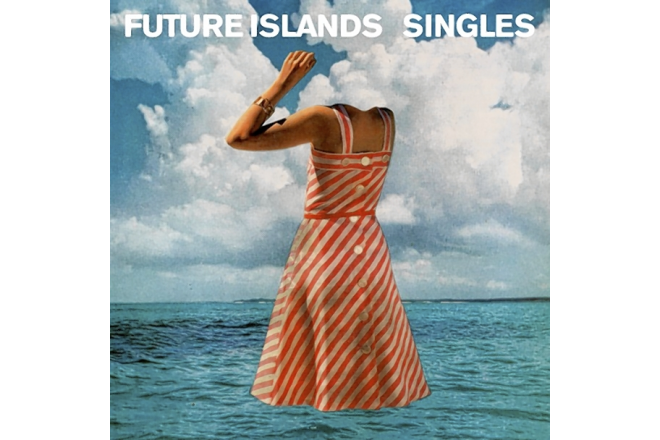
Album Review – Future Islands’ “Singles”

050114mBeatsRev

For a while, it appeared that the recent resurgence of ’80s-inspired synth-pop had fallen short, as if just having missed the dramatic mark that once tickled the edge of Broadway and blurred gender lines.

For those who grew up in the decade of neon-layered legwarmers, “Labyrinth” and Madonna’s negligées, this observation rang true — that is until Future Islands released its fourth album, “Singles,” in March. Throughout the 10-track album, Future Islands successfully delivers that theatrical element that had been missing this whole time.

While the band’s image does not necessarily match that of the ’80s, the attitude, sound and energy certainly does. With grandiose lyrical moves atop tight new wave beats, Future Islands proves to be a kinetic machine with enough stored energy to explode on the scene and cause havoc overnight—and that is exactly what the band did.

This explosion came in the form of a debut performance on “Late Night with David Letterman,” during which frontman Samuel T. Herring oscillated between deep squat air-humps and what appeared to be a gorilla mating dance that rivaled the moves of a young McDreamy in the 80s classic, “Can’t Buy Me Love.” After that performance, the world knew about Future Islands, and there was no turning back.

This now Baltimore-based trio got its humble start while studying art at East Carolina University, and quickly built a loyal following through relentless touring and one-of-a-kind live performances. Herring, along with William Cashion (guitar, bass) and Gerrit Welmers (keys, programming) have always approached their art with a take-it-or-leave-it attitude. Their hope was that listeners would decide to stick around and be moved to join the crazy carnival ride they created.

If not familiar with Future Islands’ sound, “Singles” may initially translate as a bit off-the-wall, but do not despair. After a few listens, the band’s charm and character start to sink in and penetrate the soul. Pair this with a few YouTube searches and it will all begin to make sense.

The album opener, “Seasons (Waiting On You),” is a modern day “Breakfast Club” theme—a beautiful anthem for lost misfits on the quest for love. “Spirit” follows with bouncy keys and punchy drums that lead into Herring’s Bowie-esque dramaturgical vocals.

Throughout “Singles,” the listener is presented with tracks that strike a balance between light and dark, hope and despair, old and new. Dripping with synth-crescendos and heavenly vocals, “Sun In The Morning” perfectly depicts the emotional tug of war that accompanies a lover’s early departure, while “Like The Moon” takes listeners on a more subdued dreamlike journey into a midnight fantasy.

Musically, “Doves” feels upbeat and happy, but with lyrics like, “Baby don’t hurt no more,” listeners are forced to search for deeper meaning despite the springy dance beats. The unassuming bass line and drum beat of “Back In The Tall Grass” beg for a simpler time — a time of childhood wonderment and play. As the song outros with echoing swamp sounds, “A Song For Our Grandfathers” fades in with a menagerie of audio as Herring pontificates about the changes upon him and taps into the wisdom of ancestors passed.

The melancholy rock ballad “Fall From Grace” leads in with cavernous xylophone tones, high-hat taps and bass drops before Herring emerges with deep, throaty vocals interrupted by guttural primal screams. Here, Herring’s vocal and lyrical range shines bright despite the darkness that blankets the track.

The album’s closer, “A Dream Of You And Me,” is an uplifting message-in-a-bottle delivered on a wave of hope and washed over with beautiful seashore imagery. Herring sings out the song with the lyrics, “I asked myself for peace and found a piece of me, staring at the sea,” as if sharing his daily mantra and life philosophy with listeners — a perfect way to end the album.

Overall, “Singles” offers a glimpse into the past while carving out its own place in time. This quality will appeal to a wide audience and continue to catapult the band to new heights. With Herring’s vocal front and center, undulating effortlessly between gravel and grace, the album is a refreshing departure from the norm. In the end, “Singles” soars with more performance arts flair than auto-tuned studio gloss, giving listeners a raw, emotional sill on which to perch and ponder life.

Leave a comment

Filed under Music, Review

Album Review: Time Sawyer’s “Disguise the Limits”

1615077_10203054318422769_40566786_n

The Charlotte-based folk-rock quartet Time Sawyer ups the ante with its fifth LP, “Disguise the Limits.”

Made up of Clay Stirewalt (drums), Houston Norris (banjo), Kurt Layell (lead guitar, backing vocals) and Sam Tayloe (guitar, vocals), Time Sawyer crafts music that takes an honest look at life and builds on the rustic musical traditions of western N.C.

Though still in its infancy, the band has released five albums in four years. Based on the quality of “Disguise the Limits” it appears that Tayloe and Layell’s songwriting well is far from drying up. This album offers a fresh take on the familiar themes of life on the road and love and heartbreak, while bringing a little more grit and gravel than previous installments like “Headed Home” and “Come On In.” The folk has been dialed down, the rock turned up and, thankfully, the banjo remains on cruise-control, carrying the album through its 12 tracks with the punchy grace of an instrument that can do no wrong.

The album opens with “Better Off,” an upbeat break-up tune that sets the tone for the rest that follows. “Appalachian Bound” is the perfect rock-blues getaway anthem — chock full of moonshine barrels, brushes with the law and the wide- open road. On “A Little Bluer,” Time Sawyer hangs up its spurs and succumbs to that moment when love trumps all and future dreams grow straight from the heart. “How It’s Gonna Be” strikes a sweet balance between acoustic and electric, with a distant rolling banjo, muted organ and finely placed guitar riffs.

“Best Be Going” demands attention with its no regrets catchy chorus reminiscent of Paul Simon’s “50 Ways to Leave Your Lover.” It is appropriately followed by “A Far Away Farewell from Rose,” perhaps the decades-later follow-up to that fateful day depicted in “Best Be Going.” This jump from youthful defiance to aged reflection stays true to the band’s moniker, and keeps the theme of time at the forefront.

The album pumps the breaks with its closing tracks. “Working Construction” returns to the band’s folk tendencies without feeling recycled or redundant. “West From the Farm” is a heart-wrenching ballad where Tayloe’s vocals drip with authenticity and harmonies, and horns lift lyrics to a weighty place that reveals the pain and remorse tied to lost love. “Tired of this Tired” soars with delicate finger-picking and relevant lyrics that speak to the daily tedium that can drain the heart’s passion and unravel the mind.

The true shining moment on “Disguise the Limits” comes on “210,” where lyrics tell the story of a scorned lover driven to murder. The Mexico-bound outlaw tale is perfectly accompanied by the distant haunted whine of the pedal steel and take-to-the-road banjo runs. “210” is followed and further elevated by “It’s Over (210 Outro),” which fades into a “Hotel California”-esque instrumental that beckons images of a dusty drive into the sunset. Taken together, these two tracks reveal Time Sawyer’s growing ability to create vivid imagery through songwriting and arrangement.

Collectively, “Disguise the Limits” succeeds by combing the fugitive attitude of “Roadhouse” and “Smokey and the Bandit” with the heartbreaking infidelity and reality of “Honeysuckle Rose.” Runaway, tender, playful and pensive moments are strewn strategically throughout the album, creating a cohesive storyline that undulates like the plot of a favorite desperado movie. The album shows a definite progression and maturation despite the band’s short timeline, and is sure to gain momentum as one of the better albums released by a rising North Carolinian band this year.

In addition to the release of “Disguise the Limits,” 2014 will continue to be a huge year for Time Sawyer as the band makes its debut at MerleFest in Wilkesboro, N.C. on Sunday, April 27. Visit www.timesawyer.com to learn more.

Leave a comment

Filed under Music, Review

FloydFest Steps Up Outdoor Activities for Revolutionary Year

logo-floydfest13

FloydFest isn’t just a music festival in southern Virginia.  It’s an outdoor extravaganza–an unique experience that finds itself closer to perfection each and every year.  Now in it’s 13th year, FloydFest boasts not only a stellar musical lineup, but also a plethora of outdoor activities that can be nestled between sets, allowing FloydFestivarians the chance to find their chi right in the heart of the Blue Ridge Mountains.

This year’s festival, which runs from July 23-27th, offers attendees a 5-day staycation, packed with easily-accessible outdoor activities for all ages.  For 2014, FloydFest has partnered with some of the biggest names in the outdoor industry to provide festival-goers with top-notch outdoor experiences and access to the highest quality outdoor gear on the market.

Join Osprey Packs for guided hikes along the Blue Ridge trails, or challenge yourself at Vasque Footwear’s 2nd Annual 5K trail race.  If you’d rather bike the Blue Ridge, grab a free rental from Roanoke-based Starlight Bicycles  and sign up for the Belcher Mountain Beat Down.  Made possible by VA-based Tangent Outfitters and the Moonstompers Bike Club, this 16-mile mountain bike tour takes riders through the Blue Ridge on a unique hand-built, single-track trail.  If water is more of your thing, join local partner On the Water for five opportunities to take a paddling trip down a gorgeous, undeveloped stretch of the Little River.  Relax and rejuvenate back at the festival site with a round of disc golf on FloydFest’s Innova-sponsored 9-hole course, or taking a nap at the ENO Hammock lounge.  Later, join the US National Whitewater Center for a Sunday night after-party at the Beer Garden. Be sure to stop by FloydFest’s Outdoor Adventures Headquarters for trip information and sign-ups, bike rentals, trail maps, and more.

Additionally, FloydFest has paired up with the following outfitters and regional events for fun ticket giveaways and prize packages:

Chacos

The official sandal sponsor of FloydFest is giving away a pair of tickets as part of their 25th anniversary “Fit for Adventure” tour.  See them at FloydFest for fun activities, a photo booth, and chances to win footwear.

Get Out More Tour

FloydFest will be joining the one-of-a-kind mobile tour at 15 stops throughout the Southeast region, offering prizes and ticket giveaways along the way.  At FloydFest, join in the hunt for a Geo-Cache full of goodies that’s been stashed deep in the woods around the festival site.

Great Outdoor Provision Company

FloydFest has teamed up with North Carolina specialty outdoor retailer to host a Festival Preparedness Clinic at their Raleigh, Winston-Salem, and Charlotte, NC locations in April.  Ticket giveaways will run at all seven GOPC store locations from the end of May to July 1st.

REI – Richmond, VA

The national outdoor retail co-op will host a Festival Survival Clinic June 2nd at the Richmond, VA store location. The clinic will provide tips on what and how to pack for outdoor festivals while giving away a set of weekend pass tickets to a lucky clinic attendee.

Mountain Junkies

Whether you’re a ‘Mountain Junkie’ already or soon to be one, the Roanoke Non Ultra Trail Series will provide FloydFest promotional giveaways at each of their race events. Each race offers a tough challenge as you race up the mountain, but the locations are equally captivating.

Roanoke Outside

Dubbed America’s Toughest Road Marathon, The Blue Ridge Marathon takes place on April 26th.  FloydFest has paired with Roanoke Outside to provide FloydFest-related prizes to lucky marathoners.

“We want to give FloydFest fans endless opportunities to explore and enjoy the amazing outdoor activities that this area has to offer,” says FloydFest co-founder and producer, Kris Hodges.  We’re very fortunate to work with outdoor partners and vendors who are committed to providing a top-notch outdoor experience for our attendees.”

Driven to be the best music festival experience of our time, FloydFest is committed to selling a limited quantity of tickets to the highest quality event experience, bar none, celebrating music, art, and life in an intimate and visually stunning environment.  For more information on FloydFest, including ticket prices and the full 2014 ‘Revolutionary’ artist line-up, visit www.floydfest.com or call 1-888-VA-FESTS.

Leave a comment

Filed under Festivals, Live Shows

Evolution starts young…

Molding the future fans and musicians should and often does start in utero.  This little girl and her dad are perfect examples of how much love, joy, and fun music can bring into our lives.  I’ll be watching this on repeat today!

Leave a comment

Filed under Music